
Understanding Tinnitus
A whole‑person approach
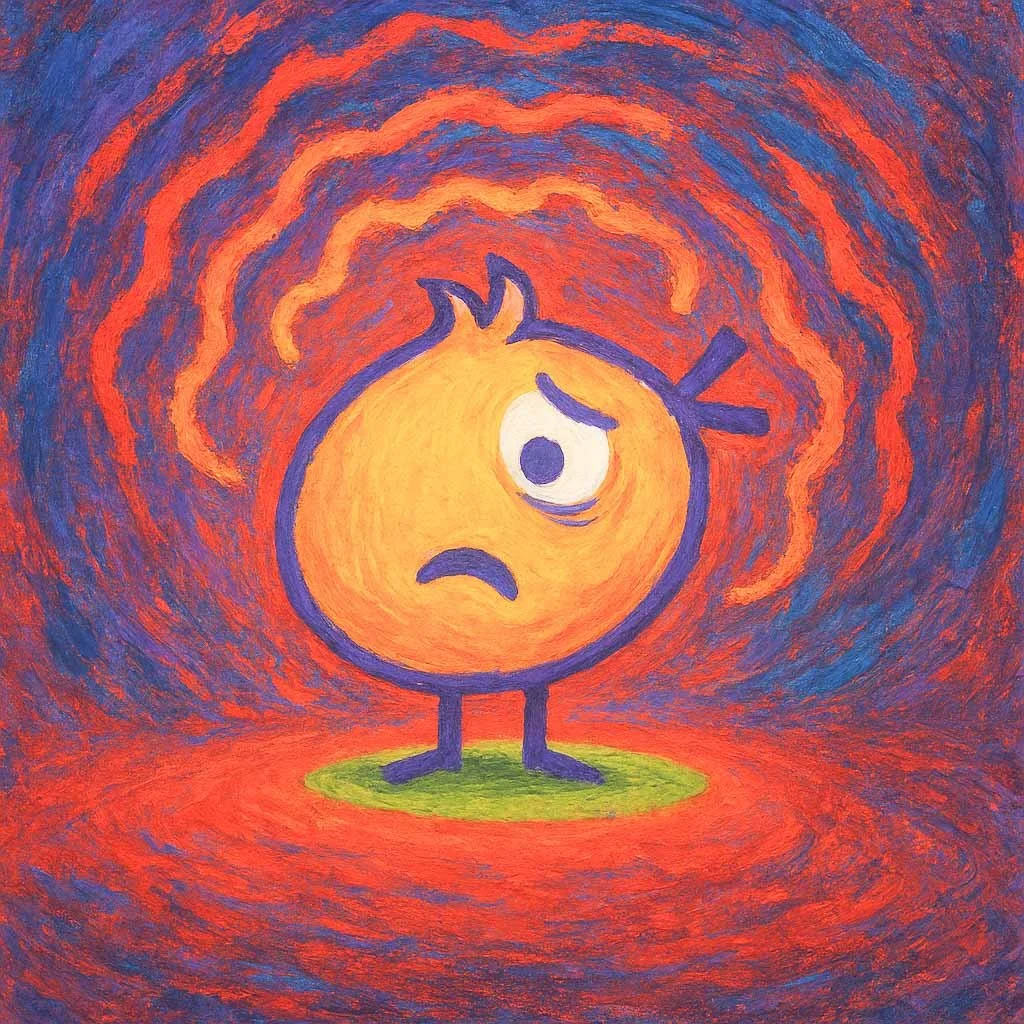
This information has been prepared by Healthy Hearing & Balance Care to help you understand tinnitus, why it happens, and how it can be managed.
What is tinnitus?
Tinnitus is the experience of hearing a sound when there is no sound coming from the outside world. People describe it as ringing, buzzing, hissing, humming, clicking or whooshing. It may be constant or come and go.
Tinnitus is very common. More than one in ten people experience it at some point in their lives. Importantly, tinnitus is a symptom, not a disease.
Is tinnitus dangerous?
In most cases, tinnitus is not dangerous and does not mean that something serious is wrong.
However, because tinnitus can have many causes, it is important to investigate it properly—especially if it is new, changing or distressing.
Why does tinnitus happen?
Tinnitus rarely has a single cause. It often involves a combination of factors such as changes in hearing, noise exposure, blood flow changes near the ear, jaw or neck tension, metabolic factors, stress or medications.
Because tinnitus can involve several systems in the body, a whole‑person approach works best.
Different types of tinnitus.
Most common tinnitus sounds are like hissing, humming, ringing, roaring and cicadas and are often related to changes in the hearing system.
Other times it may sound rhythmic or pulsing. This type is called pulsatile tinnitus and needs careful assessment, as it may relate to blood flow or muscle activity near the ear.
How is tinnitus assessed?
Assessment usually includes a detailed discussion of your symptoms, a full hearing assessment and, where appropriate, blood tests or imaging. Some people may also benefit from assessment of the jaw and neck muscles. Not everyone needs all tests. Assessment is tailored to you.
How is tinnitus treated?
Treatment depends on the causes identified. Options may include hearing‑based therapies, sound therapy, management of medical or metabolic factors, jaw or neck treatment, and support for stress or sleep.
Many people experience significant improvement, and some experience complete resolution.
Will tinnitus ever go away?
For many people, tinnitus improves once contributing factors are addressed. Even when tinnitus does not disappear completely, most people reach a point where it no longer interferes with daily life.
The key message.
Tinnitus is common, real and manageable. With the right assessment and care, most people experience meaningful relief and regain confidence and control.
Further information on the assessment & management of tinnitus.
Healthy Hearing & Balance Care
www.healthyhearing.com.au
This information is general in nature and does not replace personalised medical advice.
Contact Form
If you have an enquiry or would like to make an appointment, please call our clinic on (02) 9387 3599. Alternatively, please complete the form below.