
Tinnitus – Assessment & Management
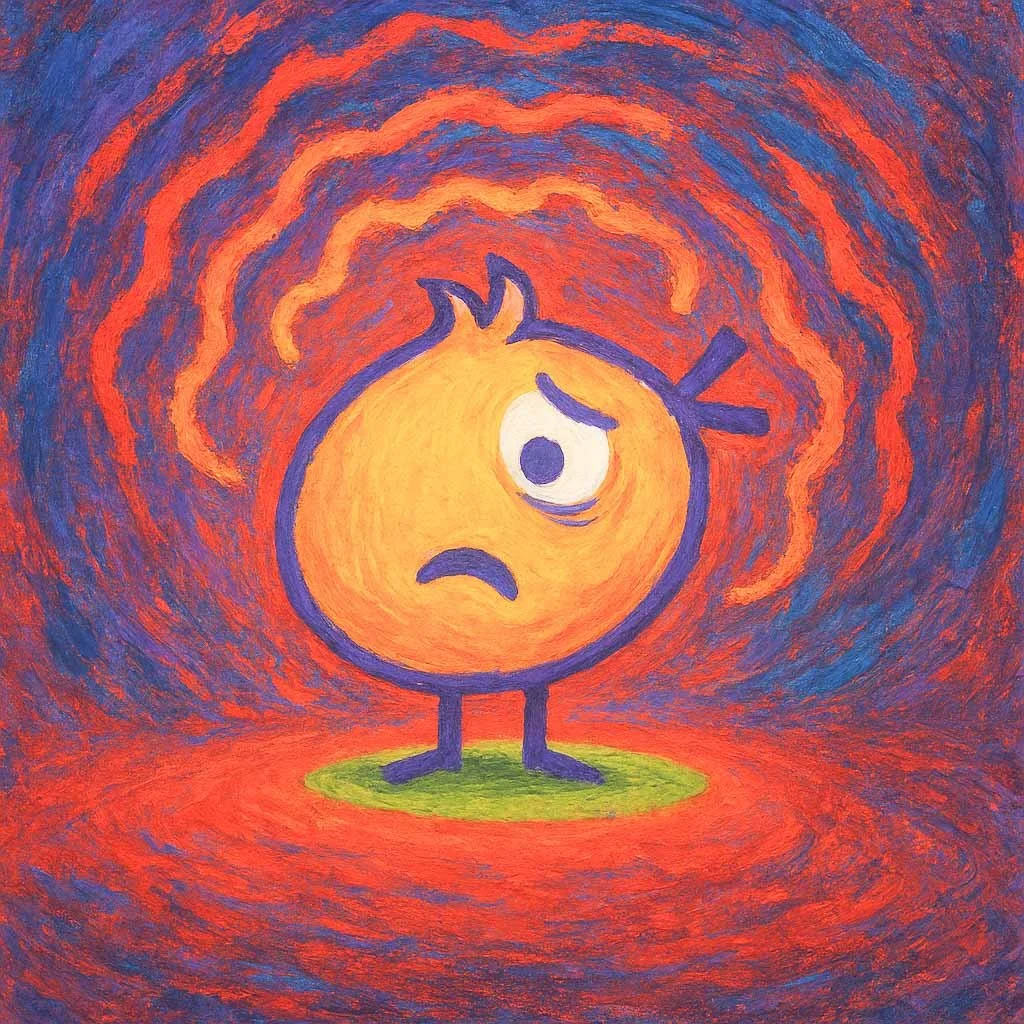
Tinnitus is a noise heard in the ears or in the head which is not related to any external source. It is often more noticeable in quiet surroundings when there is an absence of competing sounds.
Tinnitus affects up to 20% of the population during the course of their lives with no serious consequences.
A smaller percentage will experience ongoing distressing tinnitus which may require professional intervention.
Tinnitus is mostly, but not always, the symptom of an ear disorder. Untreated tinnitus may become chronic and cause life disruptions such as sleep disorders, social withdrawal and impact work and family relationships.
Healthy Hearing & Balance Care is an independent audiology clinic in Bondi Junction, Sydney, Australia, providing evidence-based tinnitus management and treatment for adults of all ages.
Conditions Associated with Tinnitus
Hearing Loss is present in up to 90% of people with tinnitus. In fact, tinnitus may be the first symptom of a hearing loss. In some cases the loss of hearing may be very mild and not noticeable in everyday situations. However, any hearing loss, no matter how mild, will always cause extra effort in hearing. The greater the effort into hearing the more the tinnitus is perceived. As a general rule, the worse the hearing the louder the tinnitus.
Acoustic Shock Injury is a physiological trauma to the ear caused by an episode of direct exposure to extremely loud sound which may lead to TTTS.
TTTS (tonic tensor tympani syndrome) is a spasm like activity of the tensor tympani muscle in the middle ear. This spasm may cause a series of physiological symptoms such as fluttering of the ear drum, a sensation of heat, pain, blockage and fullness in the ear and sometimes dizziness. Tinnitus and hyperacusis may also be associated (Westcott et al, 2013).
Hyperacusis is a hypersensitivity to everyday sounds which may be perceived as painfully loud. In extreme cases it may lead to complete social isolation to avoid any contact with sounds. Hyperacusis may present as a single entity not associated with any other hearing symptom.
Misophonia is an abnormal sensitivity to selected sounds which cause an irrational reaction of annoyance, disgust and anger. It may also lead to social isolation as a way of avoiding exposure to sounds that trigger the symptoms. Misophonia may also be an isolated condition but it is mostly associated with other psychological disorders such as anxiety and obsessive compulsive behaviour.
Management of Tinnitus, Hyperacusis and Misophonia
Our clinicians have extensive experience and are internationally recognised as experts in tinnitus and related hearing disorders. The first step in treatment is to diagnose the possible cause using a comprehensive history and battery of audiological tests. Following audiological evaluation you may be referred to one of our preferential ENT specialists to diagnose and treat any suspected ear disease. Imaging tests such as CT or MRI scans may be recommended to unravel a pathological cause. After medical intervention, if distress still persists, you will be referred to the management program with our audiologists and counsellor.
Hearing Aids are the most effective form of tinnitus treatment when in the presence of a hearing loss. Research shows that hearing aids completely abolish tinnitus perception for the majority of patients providing the tinnitus pitch is within the frequency response of the hearing aid (McNeill et al 2013). Prescription of hearing aids is based on individual’s hearing and tinnitus profile as determined by audiological tests.
Cochlear implant is an effective option when hearing aids cannot be of assistance due to a very severe hearing loss.
Sound desensitisation is an important part of treatment when dealing with hyperacusis, TTTS and misophonia.
Music based therapy and noise generators are useful tools in the desensitisation process. Appropriate music genre and tempo must be selected for optimal therapeutic results.
Some hearing aids also have an in-built music and or noise generator which are programmed by the audiologist according to the levels of hearing and characteristics of tinnitus.
Smart phones, MP3 players and tablets also offer a range of useful apps which may assist in the treatment.
Our audiologists will recommend the best option for your needs based on audiological test results.
References
Celene McNeill, Dayse Távora-Vieira, Fadwa Alnafjan, Grant D. Searchfield, David Welch (2013) Tinnitus pitch, masking, and the effectiveness of hearing aids for tinnitus therapy. IJA Vol. 5:12, 914-919
Westcott M, Ganz Sanchez T, Diges I, Saba, Dineen R, McNeill C, Chiam, A,O’Keefe M, Sharples T. (2013) Tonic Tensor Tympani Syndrome (TTTS) in Tinnitus and Hyperacusis Patients: A Multi-Clinic Prevalence Study.Noise & Health. Vol 15:63, 117-128
Healthy Hearing & Balance Care is an independent audiology clinic in Bondi Junction, Sydney, specialising in tinnitus assessment and management.
To book an appointment:
Call us on (02) 9387 3599
Email admin@healthyhearing.com.au
Submit an online enquiry via our website
A GP or ENT referral is recommended for comprehensive tinnitus assessment.
Telehealth consultations may be available for suitable tinnitus appointments.
Frequently Asked Questions
What is tinnitus?
Tinnitus is the experience of hearing a sound when there is no sound coming from the outside world. People describe it as ringing, buzzing, hissing, humming, clicking or whooshing. It may be constant or come and go.
Tinnitus is very common. More than one in ten people experience it at some point in their lives. Importantly, tinnitus is a symptom, not a disease.
Is tinnitus dangerous?
In most cases, tinnitus is not dangerous and does not mean that something serious is wrong.
However, because tinnitus can have many causes, it is important to investigate it properly—especially if it is new, changing or distressing.
Why does tinnitus happen?
Tinnitus rarely has a single cause. It often involves a combination of factors such as changes in hearing, noise exposure, blood flow changes near the ear, jaw or neck tension, metabolic factors, stress or medications.
Because tinnitus can involve several systems in the body, a whole‑person approach works best.
Different types of tinnitus.
Most common tinnitus sounds are like hissing, humming, ringing, roaring and cicadas and are often related to changes in the hearing system.
Other times it may sound rhythmic or pulsing. This type is called pulsatile tinnitus and needs careful assessment, as it may relate to blood flow or muscle activity near the ear.
How is tinnitus assessed?
Assessment usually includes a detailed discussion of your symptoms, a full hearing assessment and, where appropriate, blood tests or imaging. Some people may also benefit from assessment of the jaw and neck muscles. Not everyone needs all tests. Assessment is tailored to you.
How is tinnitus treated?
Treatment depends on the causes identified. Options may include hearing‑based therapies, sound therapy, management of medical or metabolic factors, jaw or neck treatment, and support for stress or sleep. Many people experience significant improvement, and some experience complete resolution.
Will tinnitus ever go away?
For many people, tinnitus improves once contributing factors are addressed. Even when tinnitus does not disappear completely, most people reach a point where it no longer interferes with daily life.
The key message.
Tinnitus is common, real and manageable. With the right assessment and care, most people experience meaningful relief and regain confidence and control.
Contact Form
If you have an enquiry or would like to make an appointment, please call our clinic on (02) 9387 3599. Alternatively, please complete the form below.